Your starting point
How long will you live — and how long will you stay at your best?
Answer a data-driven questionnaire to estimate your lifespan, healthspan, and peakspan — then discover which changes may have the greatest impact on your future.
Lifespan
How long
Healthspan
How well
Peakspan
At your best
WHO-backed population data · Less than 5 minutes · Runs privately in your browser

Explore Longevity Protocols
Move from measurement to action with tools, knowledge, and people that support every stage of your longevity journey.
Longevity Protocols App
Turn your insights into a personal protocol you can follow every day.
ExploreLongevity Course
Build a clear, evidence-informed strategy for investing in your long-term health.
ExploreKnowledge Base
Explore documented interventions, diagnostics, metrics, foods, and products.
ExploreNews & Blog
Follow the latest research, discoveries, and debates shaping longevity.
ExploreCommunity
Connect with people who are actively working on healthier, longer lives.
ExploreLongevity Champions
Meet people redefining aging through exceptional health and performance.
ExploreLongevity News
The latest evidence, discoveries, and practical insights from the world of health and longevity.
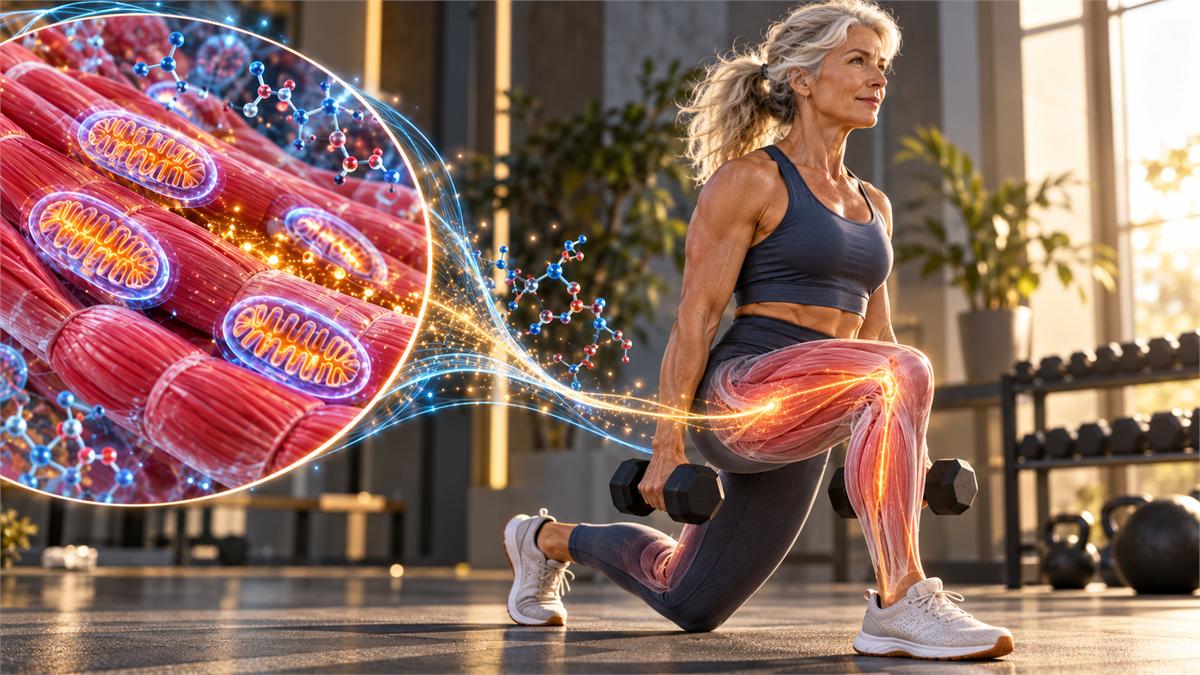
Regular training may erase some molecular signs of muscle aging
A Nature Aging study suggests that roughly half of age-related molecular changes in muscle were not observed in older adults who trained regularly.
Subscribe to the newsletter
Stay updated on the latest breakthroughs and key developments in health and longevity.
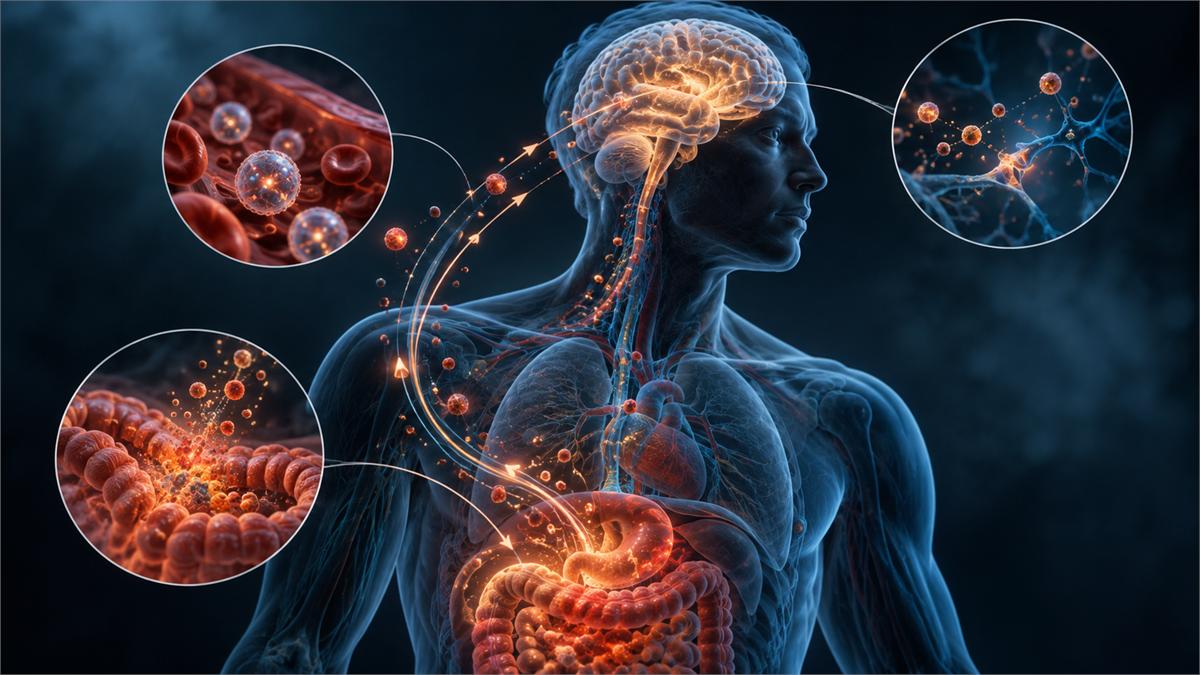
Inflammation outside the brain may drive Parkinson’s disease. Researchers uncover a possible mechanism
Researchers describe a mechanism that may connect aging, LRRK2 activity, systemic inflammation and neurodegeneration associated with Parkinson’s disease.
Discuss on WhatsApp
Join our community group where we discuss the latest research findings and practical topics on health and longevity.

The immune system may worsen skin damage after sun exposure
Researchers identified a mechanism in which neutrophils responding to UVB form NETs that may further aggravate skin damage. Most of the evidence, however, comes from cell and mouse models.

Your biological age can change within hours. The problem with epigenetic clocks
A new analysis of 18 epigenetic clocks shows that biological age estimates can be influenced by short-term physiological changes. That matters when interpreting single test results.
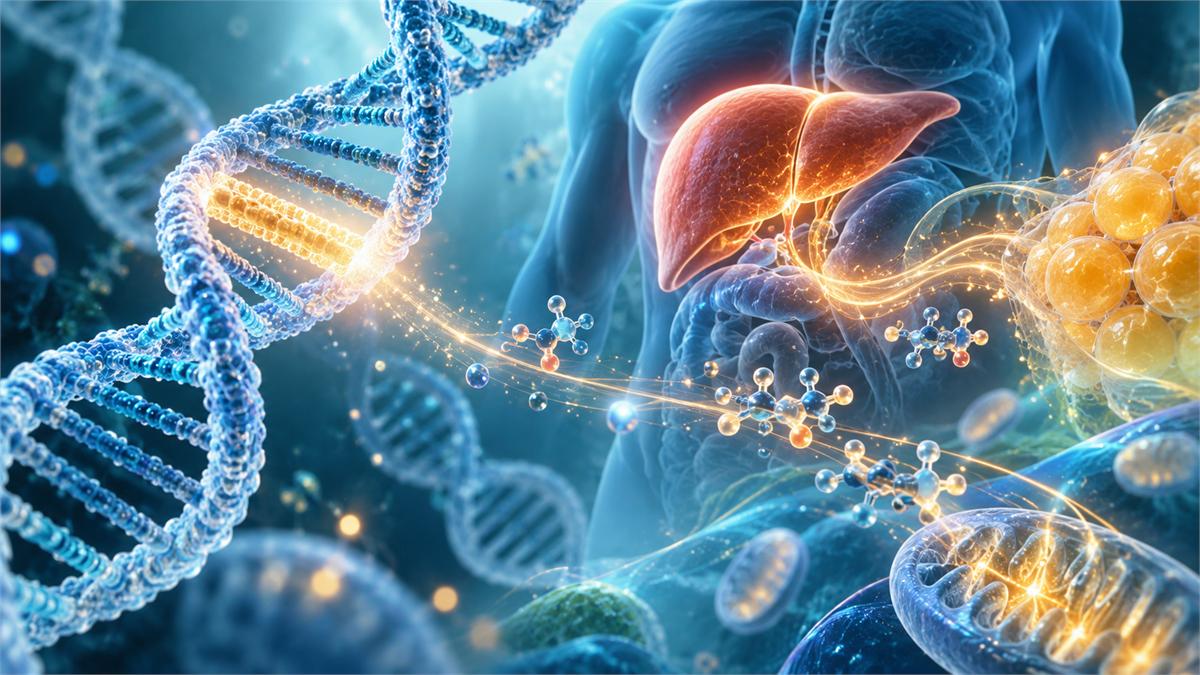
A mutation that may protect metabolism. What did a million-person study find?
Rare variants that reduce the function of one copy of FNIP1 were associated with lower triglycerides, less liver fat, better glucose control and roughly 60% lower odds of a composite cardiometabolic outcome.
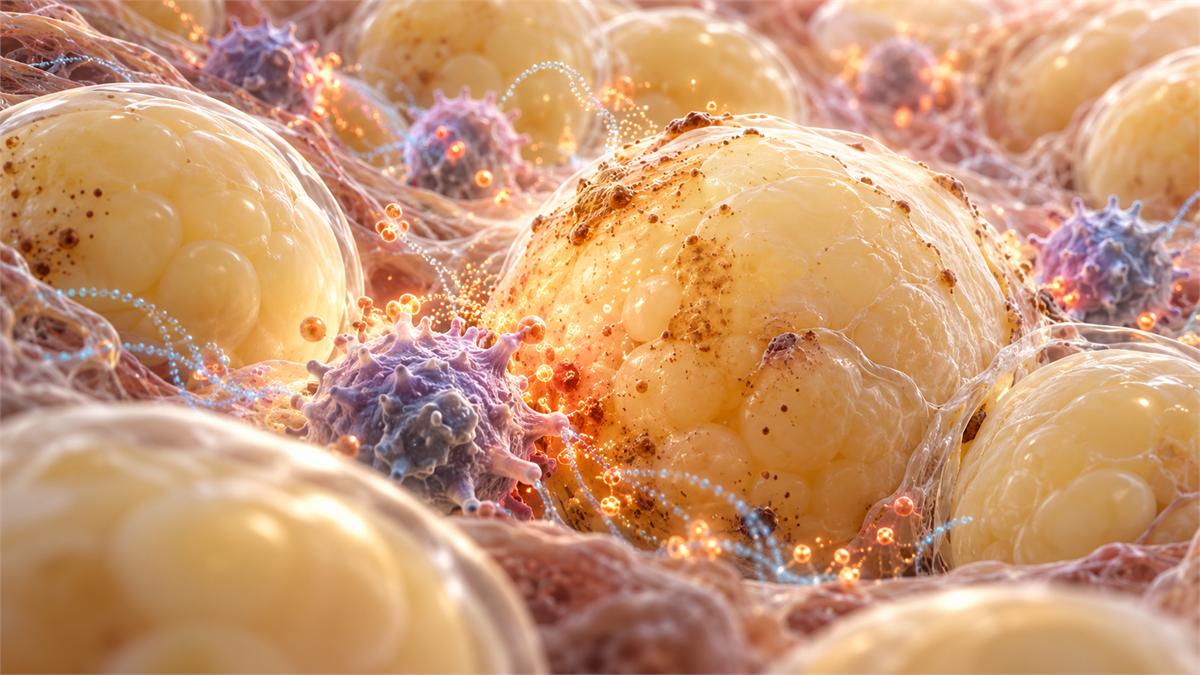
Old fat cells, higher disease risk. Scientists uncover an important mechanism
ANGPTL8 rises with age, is associated with mortality risk in humans, and its deletion extended lifespan in mice. Researchers also identified a mechanism through which the protein may promote fat-cell senescence.

Sprints or long cardio? New study reveals differences at the molecular level
Sprints and long cardio trigger different molecular responses. A new study shows how exercise intensity changes metabolic signaling.
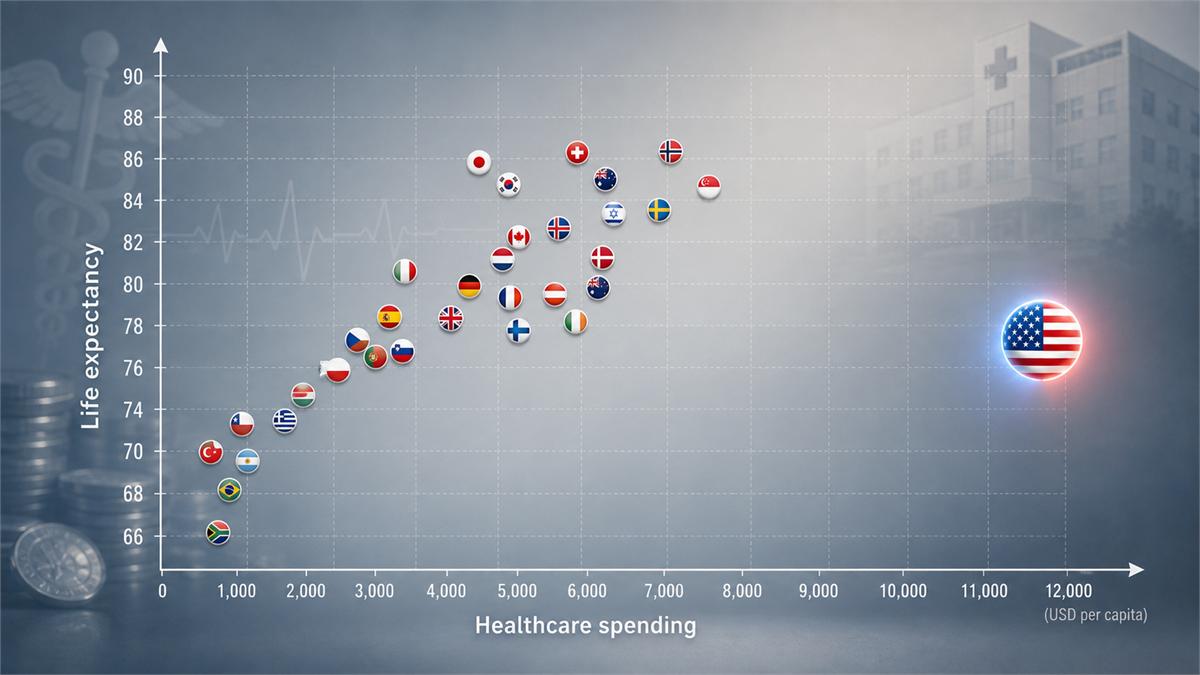
The world’s most expensive healthcare does not deliver the longest life
The United States spends more on healthcare than any other wealthy country, yet its life expectancy remains below that of many countries with far less expensive systems.

Do “healthy” beverages quietly increase metabolic risk?
An analysis of more than 300,000 participants suggests that regular consumption of sugar-sweetened beverages is associated with a significantly higher risk of metabolic disorders.
Regular training may erase some molecular signs of muscle aging
A Nature Aging study suggests that roughly half of age-related molecular changes in muscle were not observed in older adults who trained regularly.
Inflammation outside the brain may drive Parkinson’s disease. Researchers uncover a possible mechanism
Researchers describe a mechanism that may connect aging, LRRK2 activity, systemic inflammation and neurodegeneration associated with Parkinson’s disease.
The immune system may worsen skin damage after sun exposure
Researchers identified a mechanism in which neutrophils responding to UVB form NETs that may further aggravate skin damage. Most of the evidence, however, comes from cell and mouse models.
Subscribe to the newsletter
Stay updated on the latest breakthroughs and key developments in health and longevity.
Discuss on WhatsApp
Join our community group where we discuss the latest research findings and practical topics on health and longevity.
Your biological age can change within hours. The problem with epigenetic clocks
A new analysis of 18 epigenetic clocks shows that biological age estimates can be influenced by short-term physiological changes. That matters when interpreting single test results.
A mutation that may protect metabolism. What did a million-person study find?
Rare variants that reduce the function of one copy of FNIP1 were associated with lower triglycerides, less liver fat, better glucose control and roughly 60% lower odds of a composite cardiometabolic outcome.
Old fat cells, higher disease risk. Scientists uncover an important mechanism
ANGPTL8 rises with age, is associated with mortality risk in humans, and its deletion extended lifespan in mice. Researchers also identified a mechanism through which the protein may promote fat-cell senescence.
Sprints or long cardio? New study reveals differences at the molecular level
Sprints and long cardio trigger different molecular responses. A new study shows how exercise intensity changes metabolic signaling.
The world’s most expensive healthcare does not deliver the longest life
The United States spends more on healthcare than any other wealthy country, yet its life expectancy remains below that of many countries with far less expensive systems.
Do “healthy” beverages quietly increase metabolic risk?
An analysis of more than 300,000 participants suggests that regular consumption of sugar-sweetened beverages is associated with a significantly higher risk of metabolic disorders.