Your starting point
How long will you live — and how long will you stay at your best?
Answer a data-driven questionnaire to estimate your lifespan, healthspan, and peakspan — then discover which changes may have the greatest impact on your future.
Lifespan
How long
Healthspan
How well
Peakspan
At your best
WHO-backed population data · Less than 5 minutes · Runs privately in your browser

Explore Longevity Protocols
Move from measurement to action with tools, knowledge, and people that support every stage of your longevity journey.
Longevity Protocols App
Turn your insights into a personal protocol you can follow every day.
ExploreLongevity Course
Build a clear, evidence-informed strategy for investing in your long-term health.
ExploreKnowledge Base
Explore documented interventions, diagnostics, metrics, foods, and products.
ExploreNews & Blog
Follow the latest research, discoveries, and debates shaping longevity.
ExploreCommunity
Connect with people who are actively working on healthier, longer lives.
ExploreLongevity Champions
Meet people redefining aging through exceptional health and performance.
ExploreLongevity News
The latest evidence, discoveries, and practical insights from the world of health and longevity.
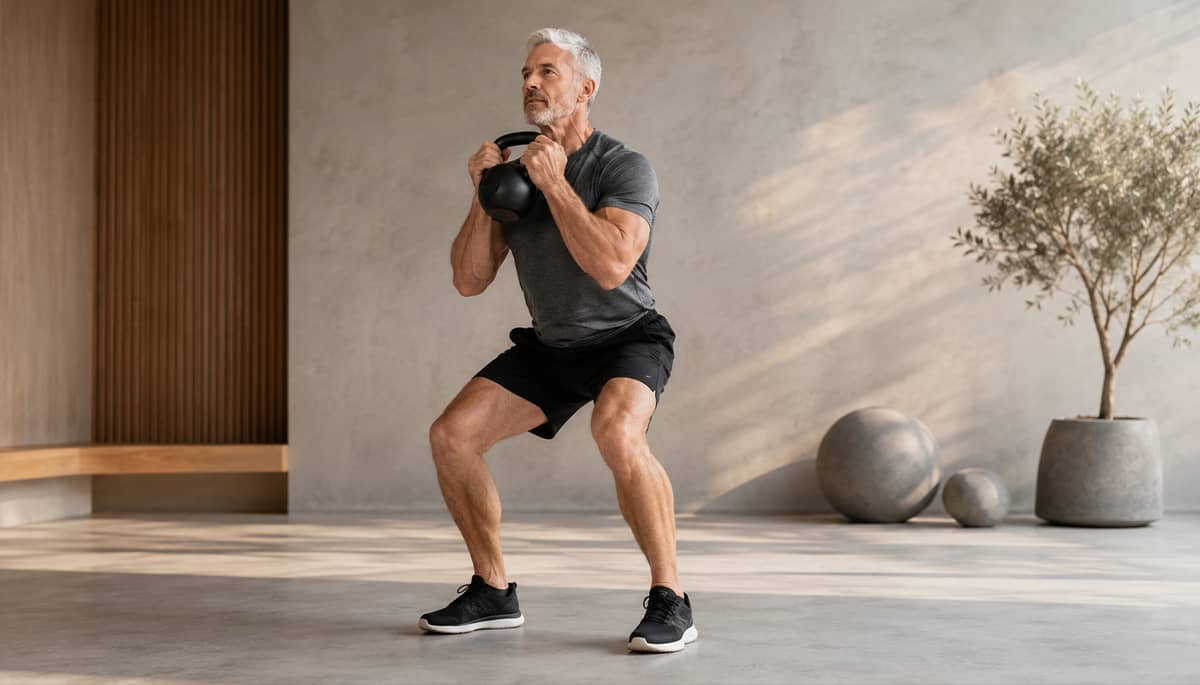
Creatine plus velocity-intent training. A new lead in fighting age-related decline in strength and cognitive function
Creatine and strength training are usually associated with muscle. A new study suggests a broader picture: potential effects on physical function, quality of life, BDNF, oxidative stress and inflammation in older adults.
Subscribe to the newsletter
Stay updated on the latest breakthroughs and key developments in health and longevity.

The immune system ages differently in women and men. Women may pay a higher price for stronger immune responses
The immune systems of women and men change with age in different ways. A new study shows why stronger immune activity may also come with a biological cost.
Discuss on WhatsApp
Join our community group where we discuss the latest research findings and practical topics on health and longevity.

When immunity starts to harm. Inflammaging, CXCL9, and faster biological aging
Inflammaging may be more than a consequence of aging. New data suggest that selected inflammatory proteins, including CXCL9, may be linked to faster epigenetic aging.
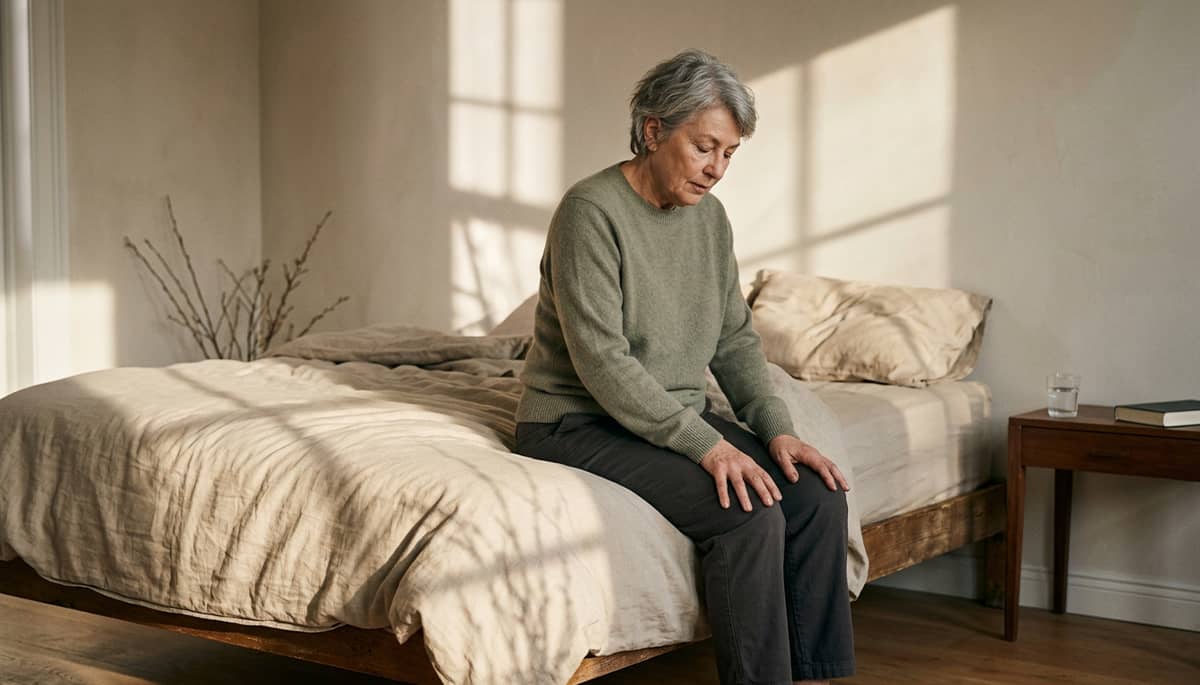
Daytime napping and mortality risk. When sleep may be a sign of an underlying health problem
A nap does not always mean healthy recovery. In older adults, its duration, frequency, and timing may point to disrupted sleep, circadian misalignment, or underlying health problems.

The paradox of comfortable living - how convenience may accelerate aging
A new study in king penguins suggests that a comfortable environment, constant access to food, and lower physical activity may accelerate epigenetic aging — even when total lifespan increases.

APOE4, meat and dementia risk. Why one diet may not work the same for everyone
Diet does not act in isolation. APOE genotype may influence how the body responds to meat, fish and dietary patterns related to dementia risk.
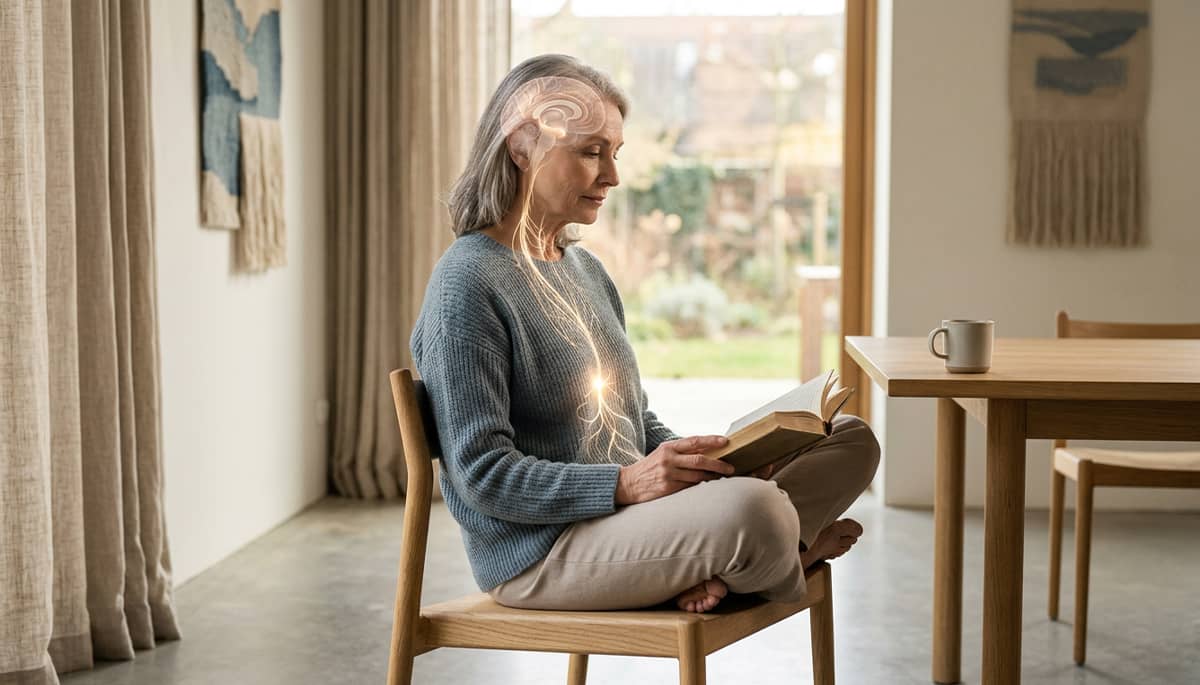
Gut, vagus nerve, and memory. A new clue in brain aging research
A new study points to a possible mechanism linking gut bacteria, vagus nerve signaling, and memory decline during aging.

Positive attitude toward aging can really affect body and mind health
Positive age beliefs were associated with a higher chance of improvement in cognitive function and walking speed among older adults. This is an important signal for health, prevention, and the way society thinks about aging.
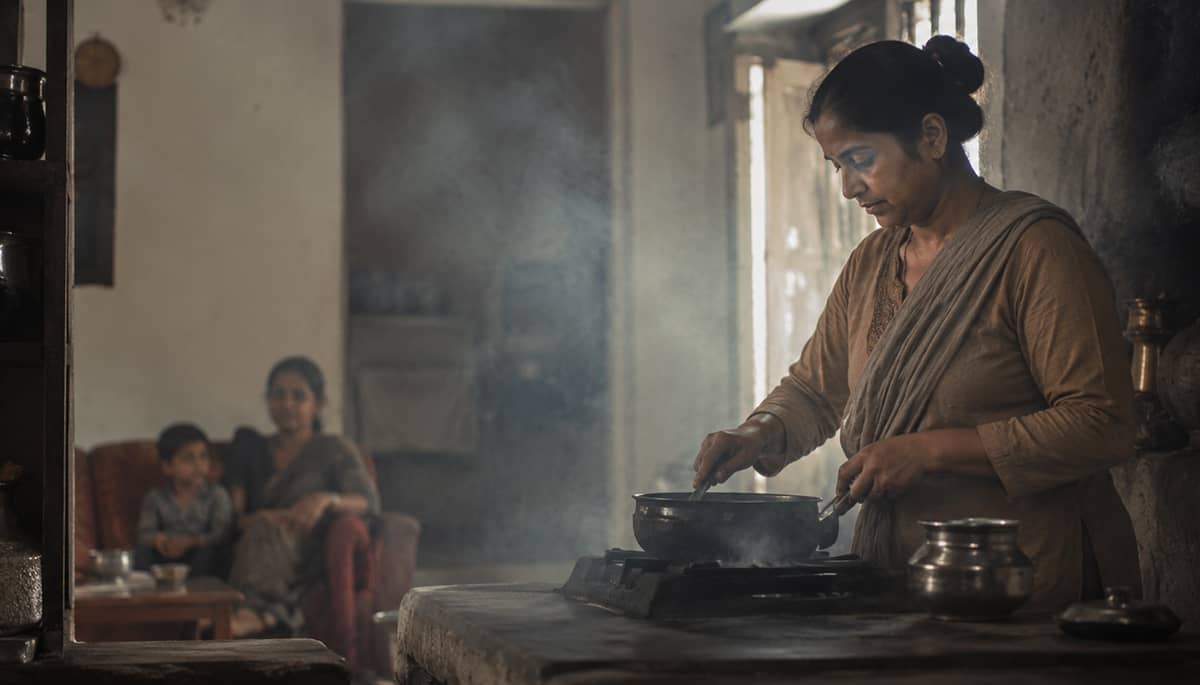
Not only street smog. Indoor air still shortens millions of lives
Air pollution does not end with street smog. For millions of people, one of the biggest health risks is created inside their own homes — during cooking and heating.
Creatine plus velocity-intent training. A new lead in fighting age-related decline in strength and cognitive function
Creatine and strength training are usually associated with muscle. A new study suggests a broader picture: potential effects on physical function, quality of life, BDNF, oxidative stress and inflammation in older adults.
The immune system ages differently in women and men. Women may pay a higher price for stronger immune responses
The immune systems of women and men change with age in different ways. A new study shows why stronger immune activity may also come with a biological cost.
When immunity starts to harm. Inflammaging, CXCL9, and faster biological aging
Inflammaging may be more than a consequence of aging. New data suggest that selected inflammatory proteins, including CXCL9, may be linked to faster epigenetic aging.
Subscribe to the newsletter
Stay updated on the latest breakthroughs and key developments in health and longevity.
Discuss on WhatsApp
Join our community group where we discuss the latest research findings and practical topics on health and longevity.
Daytime napping and mortality risk. When sleep may be a sign of an underlying health problem
A nap does not always mean healthy recovery. In older adults, its duration, frequency, and timing may point to disrupted sleep, circadian misalignment, or underlying health problems.
The paradox of comfortable living - how convenience may accelerate aging
A new study in king penguins suggests that a comfortable environment, constant access to food, and lower physical activity may accelerate epigenetic aging — even when total lifespan increases.
APOE4, meat and dementia risk. Why one diet may not work the same for everyone
Diet does not act in isolation. APOE genotype may influence how the body responds to meat, fish and dietary patterns related to dementia risk.
Gut, vagus nerve, and memory. A new clue in brain aging research
A new study points to a possible mechanism linking gut bacteria, vagus nerve signaling, and memory decline during aging.
Positive attitude toward aging can really affect body and mind health
Positive age beliefs were associated with a higher chance of improvement in cognitive function and walking speed among older adults. This is an important signal for health, prevention, and the way society thinks about aging.
Not only street smog. Indoor air still shortens millions of lives
Air pollution does not end with street smog. For millions of people, one of the biggest health risks is created inside their own homes — during cooking and heating.